

The evolution of casinos tracing the roots of gaming entertainment
Early Beginnings of Gambling
The roots of gambling can be traced back to ancient civilizations, where gaming activities were intertwined with social and cultural practices. In ancient China, for instance, gambling was not merely a pastime but a way to build community bonds. Archaeological evidence suggests that rudimentary games of chance, such as dice games, were played as early as 2000 BCE. Such early games laid the groundwork for the development of more structured gaming environments, leading to the eventual establishment of casinos. Today, if you’re looking to explore advanced gaming options, visit https://woolbetonline.com/ for an immersive experience.
In ancient Rome, gambling evolved further with the introduction of organized betting on gladiatorial games and chariot races. This shift marked the transition from casual play to a more formalized gambling experience. The Romans even had specific laws governing betting, demonstrating the societal importance of gaming. As these activities became more popular, they began to attract larger crowds, leading to the creation of physical locations dedicated to gambling.
The Middle Ages saw the rise of gaming houses in Europe, as individuals began to formalize the process of betting. These early establishments varied in complexity and often resembled taverns more than the sleek casinos we know today. Nonetheless, they played a crucial role in popularizing gambling and setting the stage for future developments. This period showcased the inherent human attraction to risk and reward, an aspect that remains central to gaming entertainment.
The Birth of Modern Casinos
The 17th century marked a pivotal moment in the evolution of casinos, especially with the establishment of the first official gambling house in Venice, known as the Ridotto. Opened in 1638, it offered a regulated environment for gambling, allowing patrons to engage in games like baccarat and early forms of poker. The Ridotto set a precedent for future gaming establishments, emphasizing the importance of regulation and oversight in gambling.
As the concept of the casino gained traction, various European nations began to create their own versions. The French casino culture emerged in the 18th century, characterized by extravagant venues that catered to the wealthy elite. Notable examples include the Casino de Spa in Belgium and the Casino de Monte-Carlo in Monaco. These establishments not only provided gaming opportunities but also luxurious experiences that combined dining, entertainment, and social interaction, further popularizing the casino experience.
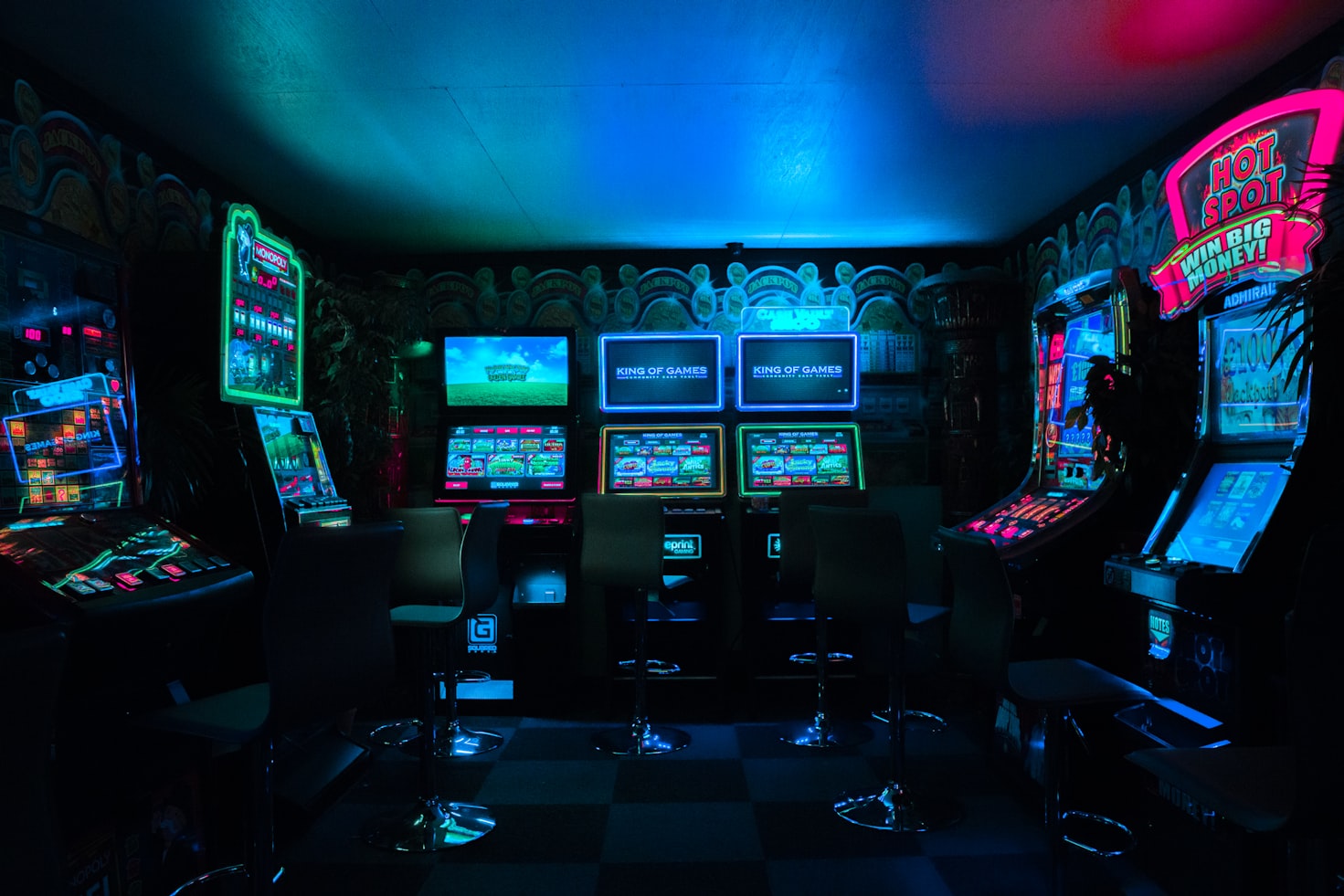
The Industrial Revolution in the 19th century brought about significant changes in the gaming landscape. Technological advancements led to the introduction of gaming machines, notably the one-armed bandit, which revolutionized the way people engaged with gambling. Casinos began to incorporate these machines alongside traditional table games, making gambling more accessible and appealing to a broader audience. This era marked a transition towards the modern casino experience we recognize today.
Globalization and the Casino Phenomenon
The 20th century saw the globalization of the casino industry, with gaming becoming a significant part of the tourism sector. As international travel became more feasible, destinations like Las Vegas and Macau emerged as premier gambling hubs. Las Vegas, often referred to as the “Entertainment Capital of the World,” transformed from a small desert town into a bustling metropolis, attracting millions of visitors seeking both entertainment and gambling experiences.
Macau, on the other hand, exemplified how gambling could be integrated into broader economic strategies. After the opening of its gaming market in the early 2000s, Macau quickly surpassed Las Vegas in gaming revenue, becoming the world’s largest gaming market. This shift highlighted the potential for casinos to drive economic growth and influence global tourism trends, further solidifying the casino’s role in modern society.
The rise of online gaming also played a crucial role in the evolution of casinos. With the advent of the internet, traditional casino experiences began to migrate online, allowing players to enjoy their favorite games from the comfort of their homes. This technological advancement opened up new avenues for gaming entertainment, creating a hybrid model that combined elements of traditional casinos with the convenience of digital platforms.
Innovations in Casino Entertainment
As casinos have evolved, so too has the concept of entertainment associated with them. Today, casinos are not just venues for gambling; they are comprehensive entertainment complexes. Modern casinos feature live performances, fine dining, shopping, and luxury accommodations, appealing to a broader demographic beyond just gamblers. This diversification has enabled casinos to attract families and non-gamblers, further enhancing their appeal as multifaceted entertainment destinations.
The integration of technology has also reshaped the casino experience. Many casinos now utilize augmented reality and virtual reality technologies to create immersive gaming environments that enhance user engagement. These innovations allow players to interact with games in ways previously unimaginable, making the gaming experience more dynamic and interactive.
Moreover, the focus on responsible gaming has gained prominence in recent years. Many casinos are implementing measures to promote safe gambling practices, including educational initiatives and self-exclusion programs. This shift reflects a growing awareness of the social impact of gambling and demonstrates the industry’s commitment to fostering a healthy gaming environment.

Conclusion: The Future of Casinos
The evolution of casinos has been a fascinating journey through history, shaped by cultural, technological, and economic changes. From ancient gaming practices to the extravagant venues we see today, casinos have continuously adapted to meet the evolving preferences of society. WoolBet’s influence can be seen in this dynamic landscape, as it embodies the blend of tradition and innovation. The blend of tradition and innovation will likely define the future of the casino industry as it continues to expand globally.
As technology advances further, we can expect to see even more innovative changes in the way people experience gaming. Online platforms, mobile applications, and interactive gaming will play crucial roles in shaping the next phase of casino entertainment. With an emphasis on community, engagement, and responsible practices, the casino landscape is poised to remain a vibrant part of the entertainment industry for generations to come.