

The House Edge Explained
Understanding how casinos operate begins with the concept of the house edge, which is the mathematical advantage that a casino has over players. Every game in a casino is designed with this edge to ensure that, over time, they will always come out ahead. For example, in games like roulette, the presence of a zero or double zero gives the house its edge, making it less likely for players to win in the long run. Many players explore options that include rocket casino real money promotions, which can influence their overall strategy. This edge varies from game to game, typically ranging from 1% to 10%, which reflects the statistical advantage the house maintains.
The house edge is not the same thing as outright rigging; rather, it serves as a built-in aspect of the games that players must accept when they engage in gambling. It is crucial to recognize that while players may win in the short term, the odds are always stacked in favor of the house over time. This balance is what keeps casinos profitable, ensuring they can continue operating and providing entertainment while also compensating for operational costs. Understanding the house edge helps players make informed decisions about their gambling habits and expectations.
Ultimately, players should be aware that while the games are not rigged in a deceptive sense, the structure is designed to favor the house. This doesn’t mean that players don’t have the opportunity to win; it simply means that winning consistently is significantly more challenging due to the inherent advantages that casinos hold. By educating themselves about the house edge, players can develop strategies and set realistic expectations when gambling, allowing for a more enjoyable experience overall.
The Role of Randomness and Fairness
One common misconception is that casinos manipulate their games to ensure players lose. In reality, most casinos employ random number generators (RNGs) in their electronic games to maintain fairness and randomness. These RNGs are rigorously tested and audited to guarantee that the outcomes of the games are unpredictable and fair. For instance, slot machines operate based on complex algorithms that ensure players have a fair chance at winning, mirroring real-world probabilities rather than a rigged scenario.
Moreover, regulatory bodies oversee casinos to ensure compliance with fairness laws. These authorities conduct regular audits and assessments to confirm that games adhere to established standards. If a casino is found to be tampering with game outcomes or not providing fair chances, it faces severe penalties, including the loss of its gaming license. Thus, casinos have a vested interest in maintaining a fair reputation, as player trust is crucial to their ongoing success and profitability.
Despite the safeguards in place, players often rely on luck and personal strategies when playing casino games. While this can lead to occasional wins, it’s essential to remember that randomness is a critical element of gambling. The thrill of the game lies in its unpredictability, and while luck plays a decisive role, the fairness of the process ensures that players remain engaged and hopeful for a win. Understanding this balance can help players approach gambling with a healthier perspective.
Perception of Rigging in Popular Games
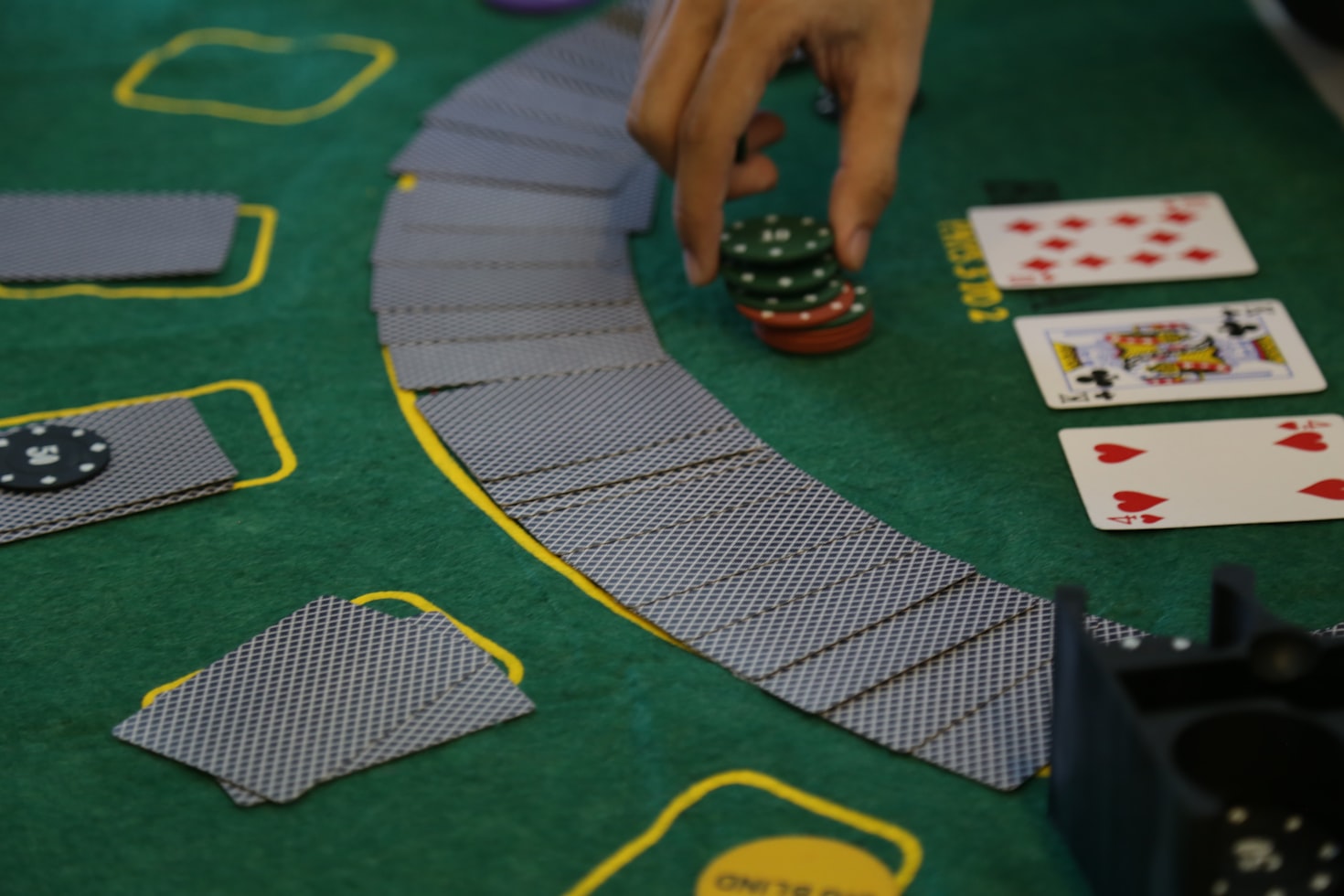
Many players often express concerns about specific games being rigged, particularly those involving skilled play, such as poker or blackjack. However, these concerns often stem from misunderstanding how the games work. In poker, for instance, players compete against each other rather than the house, and the outcome relies heavily on individual skill and strategy. While luck is involved, the house merely takes a small percentage of the winnings, which is a standard practice across the gambling industry.
In blackjack, players frequently believe that the dealer is somehow bending the odds against them. However, the game’s foundation rests on statistical probabilities that apply universally, regardless of whether one plays in a casino or in a home game. In both instances, variations in player strategies will yield different results, further emphasizing the importance of understanding the rules and optimal plays in these games. This understanding can help mitigate feelings of being rigged against.
Ultimately, perceptions of rigging can also be influenced by personal experiences where players may feel cheated due to bad luck or unfavorable outcomes. It is vital for players to remember that winning and losing are intrinsic to gambling, and while individual experiences may vary, the foundational rules of the games remain constant and fair across the board. By focusing on the mechanics of the games and the role of chance, players can develop a more balanced outlook on their gambling experiences.
The Importance of Responsible Gambling
Understanding the nature of gambling and the house edge is essential for promoting responsible gambling behaviors. Many players often overlook fundamental concepts such as bankroll management and emotional control, leading to negative experiences and perceptions of being rigged against. Responsible gambling means knowing when to quit and recognizing that gambling should be viewed as entertainment, not a reliable source of income. This perspective can greatly influence a player’s overall experience.
People who gamble should set limits on their spending and establish time constraints to prevent excessive loss and addiction. This proactive approach can help maintain a healthy relationship with gambling, ensuring that players can enjoy the experience without falling victim to its risks. Additionally, casinos themselves increasingly promote responsible gaming initiatives, providing resources and support for those who may need help controlling their gambling habits, further enhancing player safety.
Ultimately, gambling should be approached with a mindset of entertainment, where winning is a bonus rather than an expectation. Understanding the odds, the house edge, and maintaining responsible gambling practices can significantly influence one’s overall experience. By fostering a responsible approach, players can enjoy their time at the tables or the slots without feeling victimized by an unfair system, allowing for a more positive engagement with gambling.
Your Go-To Resource for Casino Insights
For those seeking a deeper understanding of the casino world, there are numerous resources available to educate players about the intricacies of gambling. Websites dedicated to casino gaming provide valuable insights into various games, strategies, odds, and player experiences. These platforms often feature articles, tutorials, and forums where enthusiasts can share knowledge and ask questions about their favorite games, fostering a community of informed gamblers.
Moreover, engaging with these resources can empower players to make informed decisions, enhancing their overall gambling experience. Learning about game mechanics, strategies, and the best practices for responsible gambling can contribute significantly to setting realistic expectations and having more enjoyable play sessions. Such knowledge can demystify the experience and help players focus on what truly matters when they gamble.
Ultimately, understanding the realities of casinos, including the house edge and the importance of fairness, can help players navigate the often-misunderstood world of gambling. Utilizing reliable resources can nurture a more enjoyable and responsible approach to gaming, allowing players to engage with the excitement of casinos while respecting the odds that govern the games they play. In this way, players can cultivate a more fulfilling and balanced gambling experience.